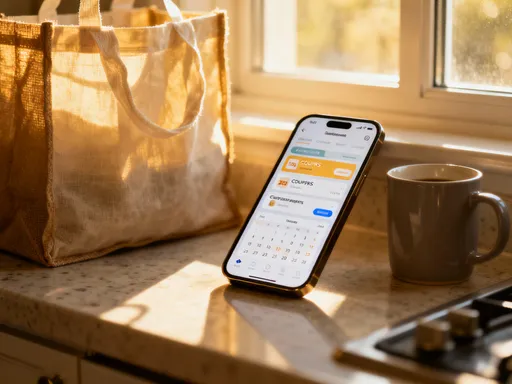
Stop saying 'I hope it’s fine' about fire safety: How smart smoke alarms gave me peace of mind
You know that moment when you’re halfway to work and suddenly wonder, Did I turn off the stove? Or hear a strange beep at 2 a.m. and freeze, trying to figure out if it’s the fridge… or something worse? I lived in constant low-grade anxiety about home safety—until I upgraded my smoke alarms. It wasn’t just about technology. It was about finally feeling sure. No more guessing. No more late-night panic. Just quiet confidence that my family was protected, even when I wasn’t watching. That shift didn’t happen overnight, but once it did, I couldn’t believe I’d waited so long.
The Moment Everything Changed: When a Simple Beep Revealed a Bigger Problem
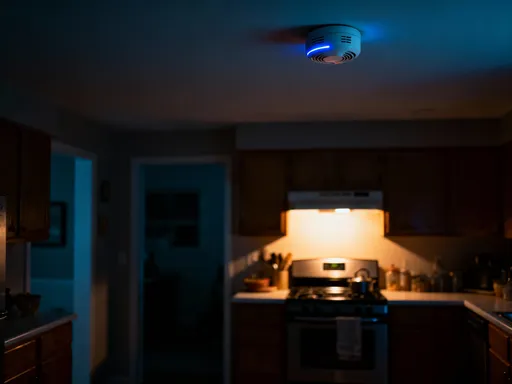
It was 3:17 a.m. when the noise ripped through the silence—sharp, urgent, and impossible to ignore. My husband and I bolted upright, hearts pounding, already imagining the worst. We scrambled down the hall, calling out to each other, checking rooms, trying to pinpoint the source. Was it the kitchen? The basement? The kids’ bedroom? By the time we found it—our old smoke alarm near the kitchen, flashing red—I was breathless. And then I saw it: smoke curling from the toaster. I’d made toast before bed, forgotten it, and gone to sleep. It wasn’t a fire, not really. But it could’ve been.
What stayed with me wasn’t the scare, though that was real. It was the realization that our home’s safety system was failing us. That alarm had chirped once, then gone silent for minutes before blaring full force. It didn’t warn me early. It didn’t tell me where the smoke was. It just screamed at the last possible second, after the fact. And the worst part? I wasn’t even surprised. We’d lived like this for years—ignoring random beeps, removing batteries when the steam from showering set it off, replacing units only when they died completely. We weren’t careless people. We loved our home, our kids, our routines. But we were running on outdated tech and wishful thinking. “I hope it’s fine” had become our default safety plan. And that, I realized, wasn’t a plan at all.
From Guesswork to Clarity: Why Old Alarms Keep Us Stuck in Reactive Mode
Here’s something most of us don’t think about: traditional smoke alarms are designed to react, not prevent. They sit quietly until there’s already a lot of smoke in the air—often too late to stop a fire from spreading. And because they can’t tell the difference between burnt toast and a real emergency, they end up training us to tune them out. How many times have you waved a towel at a beeping alarm after boiling water too long? Or pulled the battery because your teenager’s hair straightener set it off—again? I’ve done it. We all have. It’s not because we don’t care. It’s because the system is flawed.
That constant cycle of false alarms and uncertainty wears you down. You start second-guessing every beep. Is this real? Should I wake the kids? Is it safe to go back to sleep? Over time, that low hum of anxiety becomes background noise—until one day, it’s not. Studies show that households with non-working smoke alarms are twice as likely to experience fire-related injuries. And so many of those alarms aren’t working simply because people removed the batteries to stop the chirping. It’s a tragic irony: the very devices meant to protect us become nuisances we disable. We don’t ignore them out of laziness. We ignore them because we’re exhausted by the noise, the confusion, the lack of control. We’re not failing our homes. Our alarms are failing us.
A Smarter Kind of Alert: How Modern Smoke Alarms Work Without the Chaos
When I first heard about smart smoke alarms, I’ll admit—I rolled my eyes. Another gadget? Another app to download? Another thing to charge? But then a friend told me about getting a phone alert while she was at her daughter’s soccer game: “Smoke detected in kitchen.” She pulled out her phone, checked the live camera feed linked to her system, and saw her son trying (and failing) to make grilled cheese. She silenced the alarm remotely, sent him a quick text, and went back to cheering. No panic. No drive home. No disruption. Just information—and the power to act.
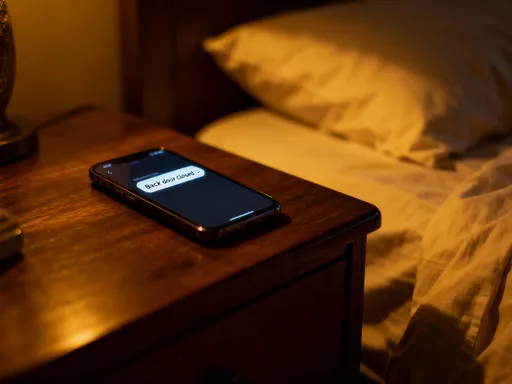
That’s when I realized smart alarms aren’t about fancy tech. They’re about peace of mind. Today’s models connect to your home Wi-Fi and send real-time alerts to your phone, no matter where you are. Some can even distinguish between different types of smoke and steam, reducing false alarms. If there’s real danger, the alarm sounds in the home, and everyone in your family gets a notification. If it’s just steam from the shower, the system can delay the alert or send a gentle heads-up instead of a full siren. You can silence it from your phone, check security cameras, or call a neighbor to check on the house—all without driving home in the middle of the day. For parents, caregivers, or anyone who leaves the house regularly, that kind of control is life-changing. It turns fear into facts. It turns guessing into knowing.
More Than Just Warnings: How These Devices Became Part of Our Daily Rhythm
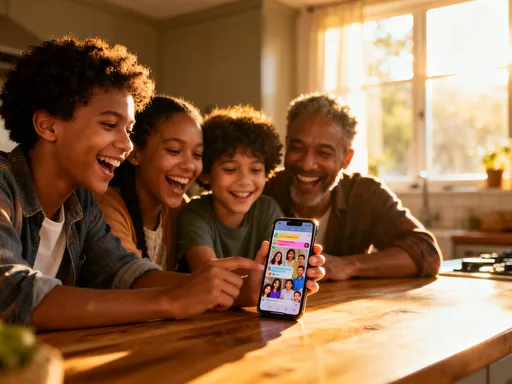
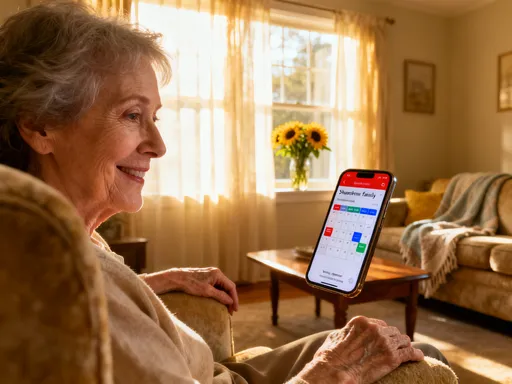
The biggest surprise wasn’t the emergency alerts. It was how smoothly these alarms fit into our everyday life. We used to forget to test them—until the battery chirped at 2 a.m. Now, the system runs monthly self-tests automatically and sends us a confirmation. Low-battery warnings come days in advance, so we can replace them during the day, not in the middle of the night. My husband and I both have the app, so if one of us is out, the other still gets updates. When the kids stayed with grandparents last month, I got a notification that the basement alarm had triggered during a storm. I called my husband, who was home, and he checked—just a power surge, no fire. But knowing we were both in the loop made all the difference.
It’s small, but it’s meaningful. This tiny upgrade didn’t just make our home safer. It made us more connected. We talk more about safety now—not because we’re worried, but because we’re informed. The kids even ask about the “smart house” and feel proud when they help test the alarms. One night, my daughter said, “I like that the house watches out for us.” That hit me right in the heart. Because that’s exactly what it does. It’s not replacing our attention. It’s supporting it. It’s not about living in fear. It’s about living with confidence.
Setting It Up Was Easier Than I Thought: A Real-Life, Step-by-Step Walkthrough
I’ll be honest—I was nervous about installing them myself. I’m not a tech person. I still ask my nephew how to reset the router. But the process was simpler than I expected. I started with one unit in the kitchen, the spot where most cooking incidents happen. I unboxed the alarm, downloaded the free app, and followed the step-by-step guide. It walked me through connecting to Wi-Fi, syncing the device, and testing the alert. The whole thing took less than 20 minutes.
My only hiccup? The basement alarm had trouble staying connected. The app showed a weak signal, so it suggested using a Wi-Fi range extender. I bought one for under $40, plugged it in halfway between the router and the basement, and the connection stabilized immediately. The app even gave me a little celebration animation—yes, really. It felt like the system was cheering me on. After that, adding more alarms was just repeating the same steps. I now have units on every floor, including near the bedrooms and garage. And the best part? No electrician needed. Just a ladder, a screwdriver, and about ten minutes per unit. If I can do it, so can you. You don’t need to be a genius. You just need to care—and that, I know you already do.
What Changed in Our Home—And in Me
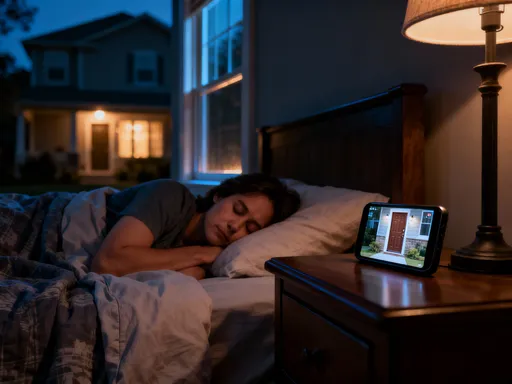
The difference wasn’t just in the alarms. It was in how I move through my days. I leave the house now without that quiet knot of worry in my stomach. I don’t replay my morning routine in my head, wondering if I turned off the curling iron or the coffee maker. I trust the system. And when I’m home, I sleep deeper. No more waking up at every creak or distant siren. I know if something happens, I’ll know—immediately, clearly, and calmly.
But the biggest change was emotional. I used to feel guilty when I wasn’t home—like I wasn’t doing enough to protect my family. Now, I feel empowered. I’ve taken a real step to keep them safe, not just with love, but with action. And my kids? They’ve picked up on it. They know what the alarms do. They understand that safety isn’t about being scared—it’s about being prepared. Last week, my son told his friend, “If there’s smoke, the house tells Mom on her phone.” He said it like it was magic. And in a way, it is. Not because of the tech, but because of what it gives us: time, clarity, and the freedom to live without fear.
Making It Work for Your Life: Simple Tips to Start Your Own Upgrade
If you’re thinking about making the switch, here’s what I’d say: start small. You don’t need to replace every alarm at once. Begin with the kitchen or near your bedroom—where fires are most likely to start or where you’ll hear the alert first. Pick a model that connects to your phone and has good reviews for reducing false alarms. Involve your family in the setup. Let your kids watch, ask questions, even help test it. That builds awareness and comfort.
Once it’s installed, make it part of your routine. Test it monthly—many apps remind you automatically. Check the battery status from your phone while you’re folding laundry or waiting for the coffee to brew. If you already use smart lights or thermostats, see if your alarm can connect to those systems. For example, you can set it so that if the alarm goes off, your smart locks unlock automatically, making it easier to get out—or let first responders in. These little integrations turn a single device into a true safety network.
And finally, be kind to yourself. You don’t have to be perfect. You don’t have to become a tech expert overnight. You just have to take one step. Upgrading your smoke alarms isn’t about chasing the latest gadget. It’s about giving yourself and your family something priceless: the quiet certainty that you’ve done what you can to stay safe. That peace of mind? It’s not magic. It’s not luck. It’s a choice. And once you make it, you’ll wonder why you waited so long.