It’s not just about alerts: Travel safety tools that actually make every trip smoother
You’re packing your bag, double-checking your passport, and feeling that mix of excitement and nerves before a trip. What if small, smart tech habits could ease that worry—not with flashy gadgets, but simple tools you already use? I’ve learned that real travel safety isn’t about fear—it’s about feeling prepared, calm, and in control. These everyday tech tips didn’t just protect me—they made my journeys more relaxed, enjoyable, and truly mine.
The Moment I Realized Safety Wasn’t Just Luck
I used to think staying safe while traveling was something that just happened—either you were careful or you got lucky. I remember vividly the trip that changed my mind. It was my first solo journey to Europe, and I was full of confidence. I’d booked everything in advance, studied the train schedules, and even downloaded a few travel apps. But when I missed a critical connection in a city I’d never visited, everything unraveled. It was late, the streets were unfamiliar, and worst of all—my phone battery died. No maps. No way to call for help. I stood there, suitcase in hand, feeling completely helpless. That night, I ended up in a crowded station waiting room, too anxious to sleep, wondering how I’d gotten into such a situation.
That experience wasn’t dangerous in the dramatic sense—no one threatened me, no crime occurred—but it shook me deeply. I realized I hadn’t failed because I was careless. I’d failed because I hadn’t prepared. I hadn’t thought about what would happen if one small thing went wrong. And in travel, one small thing always can. Since then, I’ve completely shifted how I think about safety. It’s not about fear. It’s not about assuming the worst. It’s about being ready—quietly, simply, consistently—so that when the unexpected happens, you don’t panic. You adapt.
Now, before every trip, I take just ten minutes to set up a few basic tech habits. I share my itinerary with someone back home. I double-check that my phone’s emergency features are turned on. I make sure I have offline access to key information. These aren’t extreme measures. They’re simple, practical steps that give me something priceless: peace of mind. And that peace of mind doesn’t just keep me safe—it lets me enjoy my trip more. I’m not distracted by worry. I’m present. I’m free to laugh, explore, and breathe deeply, knowing I’ve got a quiet safety net beneath me.
Your Phone Is Smarter Than You Think—Use It That Way
Let’s be honest—most of us walk around every day carrying a supercomputer in our pocket and barely using half its power. We use our phones to take photos, check messages, and scroll through social media, but we often forget they come packed with built-in tools designed to keep us safe. And the best part? You don’t need to download anything extra. These features are already there, waiting for you to turn them on.
Take emergency SOS, for example. On most smartphones, you can trigger an emergency call just by pressing the power button rapidly a few times. When you do, your phone not only calls local emergency services but can also automatically send your current location to your emergency contacts. I tested this once at home just to see how it worked, and I was amazed. Within seconds, my sister got a text with my exact address and a note saying I’d activated an emergency alert. Now, I make sure this feature is always enabled before I travel—especially when I’m going somewhere unfamiliar or solo.
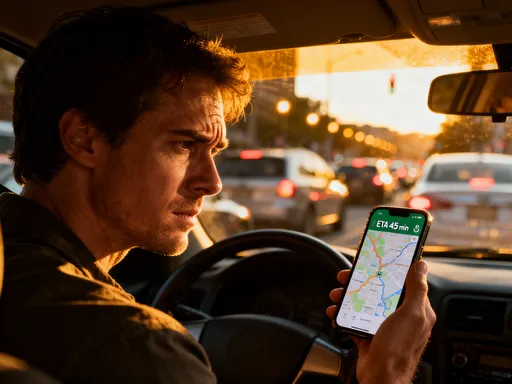
Another game-changer? Battery-saving mode. We’ve all been there—your phone’s at 15%, you’re in a new city, and you’re trying to find your hotel. That’s when every percent counts. I now turn on low-power mode as soon as I leave my accommodation each morning. It doesn’t stop me from using maps or messaging, but it slows down background activity so the battery lasts longer. I’ve had days where this simple step gave me an extra two hours of use—enough to get me back to my room safely.
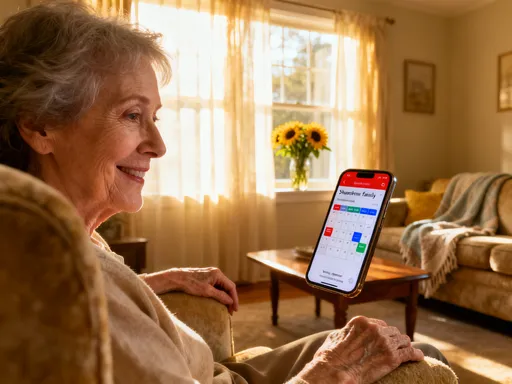
And let’s not forget location sharing. It sounds a little techy, maybe even a little invasive, but used wisely, it’s one of the most comforting tools I’ve found. I don’t share my location all the time. But when I’m on a trip, especially in a place with spotty service or if I’m doing something like a day hike, I’ll turn on ‘Share My Location’ with my sister or mom for a few hours. It’s not because I expect something to go wrong. It’s because knowing someone can see where I am gives me a quiet sense of security. And for them? It means they don’t spend the day worrying. It’s a small gesture that says, ‘I’m okay. I’ve got this.’
How One Daily Habit Cut My Travel Stress in Half
I used to be the kind of traveler who thrived on spontaneity. No plans, no schedules—just go and see what happens. And sometimes, that worked beautifully. But other times, it left me scrambling—rushing to find a hotel at 9 p.m., trying to figure out bus routes on a dead phone, or showing up at a museum only to find it closed. The excitement of the unknown started to feel more like stress than freedom.
Then, on a trip to Portugal, I decided to try something different. Every morning with my coffee, I spent five minutes going over my day in a simple notes app. Nothing fancy—just bullet points. Where was I staying? What time did I need to check out? What was the address of my next hotel? Did I have the local emergency number saved? What was the weather forecast? Was there a backup plan if my train was delayed?
That five-minute ritual changed everything. Instead of starting each day with a fog of uncertainty, I began with clarity. And here’s the thing—nothing dramatic happened. I didn’t face a crisis. But what did happen was a deep, quiet reduction in stress. I wasn’t constantly pulling out my phone to search for things I should’ve known. I wasn’t anxious about missing connections. I wasn’t making last-minute decisions under pressure.
This habit didn’t make my trips rigid. If I saw a beautiful trail and wanted to hike instead of visiting a museum, I could. But now, I could do it with confidence. I knew where I was staying, how to get back, and who to contact if needed. The plan wasn’t a prison—it was a foundation. And from that foundation, I could be spontaneous in a smarter, safer way. Over time, this small routine became second nature. Now, I do it automatically. I open my notes, jot down the essentials, and close the app. That’s it. But that tiny act gives me something huge: the freedom to be present, to enjoy the moment, without my mind racing ahead with ‘what ifs.’
The Hidden Power of Offline Access
One of the biggest surprises I’ve had while traveling? How quickly you can lose internet access—and how much that can throw you off. I remember being in a small village in the mountains of Austria, excited to explore, only to realize my phone had no signal. No maps. No way to look up the name of the restaurant I’d heard about. No translation help when I tried to read a menu. I felt suddenly cut off, like I’d stepped into a different world without a guidebook.
That moment taught me a valuable lesson: internet access is a luxury, not a guarantee. And when you’re traveling, especially in rural or remote areas, you can’t count on it. But here’s the good news—your phone doesn’t need the internet to be useful. With a little prep, you can have access to maps, documents, and even translations, all without a single bar of service.
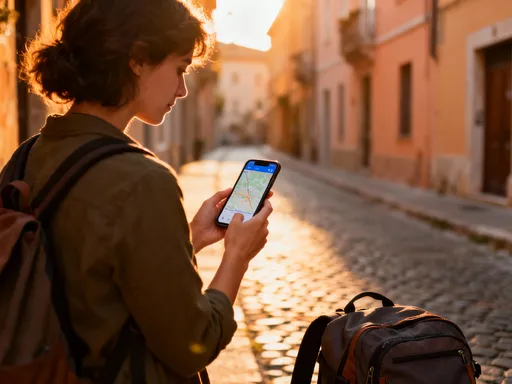
Before every trip, I now download offline maps using Google Maps or Apple Maps. It’s simple: you search for the city or region, tap on it, and select ‘Download.’ Within minutes, you have a full map stored on your phone. You can still search for locations, get walking directions, and see street names—even in airplane mode. I’ve used this in small towns in Italy, on hiking trails in Switzerland, and in subway stations in Tokyo. Every time, it’s been a lifesaver.
I also save key documents in my cloud storage app—things like my passport copy, hotel reservations, travel insurance details, and emergency contacts. I make sure the files are available offline, so I can open them even without Wi-Fi. This has helped me breeze through check-ins and border controls without fumbling through emails. And if something were to happen—like losing my physical documents—I’d still have access to the digital versions.
Another tool I love? Offline translation apps. Google Translate lets you download entire language packs so you can translate text, signs, or even speech without internet. I used this in Japan when trying to order food at a tiny ramen shop. I pointed my phone at the menu, and within seconds, I could read everything. No stress. No guessing. Just understanding. These tools don’t eliminate the adventure—they protect it. They let you explore boldly, knowing you’re not completely on your own.
Why Small Alerts Make Big Differences
Some of the most powerful tech tools aren’t the ones that shout at you—they’re the ones that whisper. A quiet notification about a flight delay. A weather alert warning of rain later in the day. A calendar reminder that your hotel check-out is at 10 a.m. These aren’t dramatic alarms. They’re gentle nudges that keep you one step ahead.
I used to ignore most notifications. I thought they were just noise. But on a trip to London, I changed my mind. I had a flight scheduled for the next morning, and around 10 p.m., my airline app sent a push notification: ‘Your flight has been delayed by two hours.’ Because I saw it early, I was able to adjust my alarm, pack calmly, and even get an extra hour of sleep. If I’d missed that alert, I might have woken up stressed, rushed, and late.
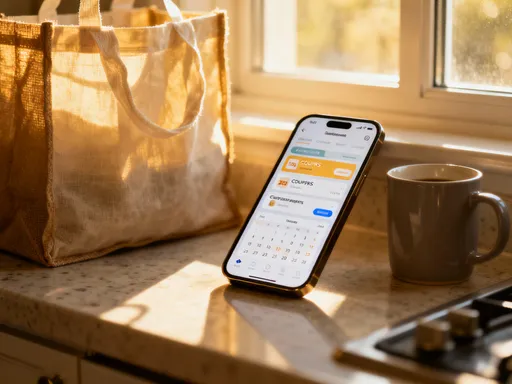
Now, I pay close attention to which alerts I allow. I turn on notifications for my airline, train company, and hotel apps. I keep weather alerts active, especially when I’m planning outdoor activities. And I use my calendar app to set reminders for key moments—like when to leave for the airport or when to pick up a rental car. These alerts don’t take over my phone. They don’t flood me with messages. But they do give me a quiet sense of control.
Think of it like having a thoughtful friend who’s always looking out for you. They don’t hover. They don’t overwhelm. But every now and then, they say, ‘Hey, just a heads-up—your train leaves earlier tomorrow,’ or ‘It’s going to rain this afternoon, so bring a jacket.’ That kind of support makes travel smoother, calmer, and more enjoyable. And the best part? You don’t have to do anything complicated to get it. Just enable the right notifications. That’s it. Small setup. Big payoff.
Sharing Safely: Staying Connected Without Oversharing
One of the hardest parts of traveling—especially when you’re far from home—is knowing that the people who love you are worrying. I’ve had my mom call me just to hear my voice, not because anything’s wrong, but because she needs that reassurance. And I get it. When I’m the one waiting at home, I feel the same way. But I also value my privacy. I don’t want to post my location on social media. I don’t want strangers knowing where I am. So how do you balance care with privacy?
The answer, for me, has been private location sharing. Instead of posting stories or checking in publicly, I use my phone’s built-in feature to share my location temporarily with just one or two people—usually my sister or mom. I set it for a few hours, or for the duration of a flight, or while I’m on a long hike. When it ends, they can no longer see where I am. It’s simple, secure, and completely under my control.
This small act does two important things. First, it gives my family peace of mind. They don’t have to wonder if I landed safely or if I made it to my hotel. They can see, in real time, that I’m okay. Second, it gives me freedom. I don’t have to remember to text or call after every leg of the journey. I can focus on enjoying the moment, knowing that the people I love are quietly updated.
And let’s be clear—this isn’t about surveillance. It’s about care. It’s about saying, ‘I love you, and I want you to feel at ease while I’m away.’ It’s not for everyone, and that’s okay. But for those of us who want to stay connected without oversharing, it’s a perfect middle ground. Technology, at its best, doesn’t replace human connection—it supports it. It helps us care for each other across distances, in ways that are thoughtful, respectful, and kind.
Peace of Mind Is the Real Travel Upgrade
Looking back on all the trips I’ve taken—the joyful ones, the stressful ones, the ones that changed me—I can now see a clear pattern. The moments I enjoyed most weren’t the ones where everything went perfectly. They were the ones where I felt calm, centered, and able to be fully present. And that calm didn’t come from luck. It came from preparation. It came from small, smart tech habits that worked quietly in the background, handling the logistics so I could focus on the experience.
Real safety isn’t about avoiding risk. It’s about building confidence. It’s about knowing that if something changes—if a train is late, if the weather turns, if you get turned around—you have the tools to adapt. And those tools don’t have to be complicated. They don’t have to cost extra. They’re already in your pocket. You just need to know how to use them.
When I travel now, I don’t feel like I’m managing a dozen potential problems. I feel like I’m living. I’m tasting new foods, meeting kind strangers, walking through quiet villages at sunset. I’m not distracted by anxiety because I’ve taken care of the basics. My phone is charged. My plans are saved. My loved ones know where I am. And that freedom—real, deep freedom—is what makes travel so powerful.
So if you’re someone who’s ever felt nervous before a trip, or overwhelmed by the details, or just unsure how to stay safe without losing the joy—try this. Start small. Turn on emergency SOS. Download an offline map. Share your location with someone you trust. Spend five minutes planning your day. These aren’t grand gestures. But together, they create something beautiful: a sense of ease. And that ease? That’s the real upgrade. It’s not about the destination. It’s about arriving there with your heart open, your mind clear, and your spirit ready to explore.