From Chaos to Connection: How a Smart Balcony Brought Our Busy Lives Into Sync
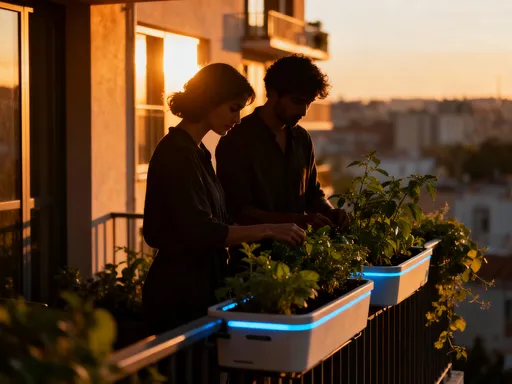
You know that feeling—when work, chores, and life swirl around you and your partner, and suddenly you’re living parallel lives under one roof? We’ve been there. Juggling schedules, forgetting who watered the plants, missing each other’s little notes. Then we transformed our balcony—not just into a green retreat, but a quiet hub of connection. It started with one small smart device, then another, and slowly, something shifted. Not just our space—but our rhythm, our communication, our *togetherness*. What began as a simple upgrade became a gentle rhythm of care, a daily reminder that we’re still in this together.
The Balcony That Whispered Our Unspoken Tensions
Our balcony used to be a place of dreams. We imagined sipping tea at sunrise, growing fresh basil for weekend pasta, reading side by side on summer evenings. But somewhere between back-to-back Zoom meetings and school pickups, it became something else—a silent witness to our growing disconnect. The potted rosemary dried out. The fairy lights stayed on all night. The folding chair was always left open, even in the rain. And instead of fixing it together, we started keeping score. “Wasn’t your turn to water?” “Why didn’t you close the blinds?” It wasn’t about the plants or the furniture—it was about feeling *seen*. We were both trying, but we were out of sync.
Looking back, I realize it wasn’t neglect. It was overwhelm. We were both carrying full plates, and the little things—the ones that don’t show up on calendars—fell through. The balcony, once a shared dream, became a symbol of what we weren’t doing *together*. It wasn’t that we didn’t care. We just didn’t have a system. And without one, small oversights turned into quiet frustrations. That’s when I started wondering—what if the space itself could help us reconnect? What if technology wasn’t just for convenience, but for connection?
How a Simple Upgrade Became a Communication Lifeline
I won’t lie—I wasn’t sure about bringing tech into such a personal space. I imagined blinking lights, confusing apps, more things to manage. But then I found a smart soil sensor, small enough to tuck into the herb planter. It sent a gentle alert to our phones when the plants needed water. At first, it felt silly. But the first time I got the notification and texted my partner, “Your rosemary’s thirsty,” something clicked. He replied, “Got it—watering now. Thanks for noticing.” And just like that, a chore became a conversation.
We added a smart timer for the string lights. No more leaving them on all night. But more than that, it became a way to say, “I’m thinking of you.” On nights he worked late, I’d set the lights to turn on at dusk. Seeing them glow when he walked in made him smile. “Felt like you were waiting,” he said. It wasn’t grand. But it was consistent. We weren’t using another couples’ app or syncing another calendar. We were using the balcony—a space we both loved—as our own quiet channel of care. The tech didn’t replace us. It gave us new ways to show up for each other.
Turning Daily Chores Into Quiet Acts of Love
One of the biggest shifts happened when we installed a small smart irrigation system. It wasn’t fancy—just a timer-controlled drip line for the planters. But it changed everything. Instead of arguing over who forgot to water, we started taking turns managing it. I’d adjust the schedule before a heatwave. He’d check the app when he got home. Sometimes, I’d leave a voice note in the system: “Set the timer for 6 AM—don’t want the mint drying out.” He’d reply with a quick “Noted. Got this.”
These weren’t grand gestures. But they felt meaningful. The balcony stopped being a place of tension and became a space where we could quietly say, “I’ve got your back.” Even the weather sensor helped. When it detected rain, it sent an alert, and one of us would close the blinds. No reminders. No nagging. Just action, followed by a text: “Blinds are shut. Your fuchsias are safe.” It sounds small, but over time, these tiny acts built up. They weren’t chores anymore—they were rituals of attention. And in a busy life, attention is one of the most precious gifts you can give.
A Shared Dashboard That Reflects More Than Data
We use a simple home dashboard—nothing complicated. It shows the soil moisture levels, the next weather alert, and any maintenance reminders. But it’s become something more. Every evening, we both check it—sometimes without saying a word. Seeing “Shade adjusted at 5:48 PM” or “Watering completed by Partner” feels like a digital love note. It’s not flashy. It doesn’t replace deep conversations. But it’s a steady rhythm of care that we both rely on.
One night, I noticed he’d turned on the frost alert early. I asked why. He said, “Saw it might dip below 40. Didn’t want the geraniums to suffer.” That’s when it hit me—this wasn’t just about plants. It was about *us*. He was looking ahead, thinking ahead, protecting something we both cared about. The dashboard didn’t create that feeling, but it made it visible. It gave us a shared language for the little things that matter. And in a world where so much feels out of control, having one small space where we’re in sync—it’s grounding. It’s comforting. It’s love, measured in soil sensors and sunrise alerts.
Designing a Space That Grows With Us
We didn’t do everything at once. We started small—a sensor, a timer, a smart plug. But each addition felt intentional. When we added solar-powered pathway lights, we didn’t just want them to turn on automatically. We wanted them to invite us outside. Now, when they glow at dusk, it’s a gentle nudge: “Come out. Breathe. Be here.” We even added a small Bluetooth speaker, voice-controlled, so we could play soft music while we sipped tea. It’s not about having the fanciest gadgets. It’s about choosing tools that bring us closer, not further apart.
One of my favorite additions is a charging bench—a simple wooden seat with a hidden USB hub. We made a rule: phones go in the dock at 8 PM, and we charge them together while we talk or read. It sounds small, but it’s become sacred. No scrolling. No notifications. Just us. The bench doesn’t do much on its own, but it creates a ritual. It says, “This is time for us.” And in a world full of distractions, that kind of intentionality is everything. The balcony isn’t just smart—it’s *thoughtful*. And so are we, when we’re in it.
When Technology Helps You Listen—Without Saying a Word
Sometimes, the best moments happen in silence. We don’t always need to talk to feel connected. The smart balcony doesn’t force conversation—it creates space for presence. A plant thriving because we both remembered to act. A morning alert that says “sunrise in 10 minutes”—a quiet invitation to step outside together. We’ve started doing it without even thinking. We’ll grab our mugs and stand there, watching the sky lighten, the city wake up.
One morning, the weather sensor detected a rare fog. The app sent a notification: “Low visibility. Dew levels high.” Instead of ignoring it, we both went out. The balcony was wrapped in mist, the plants glistening. We stood there, shoulder to shoulder, not saying much. But it was one of the most connected moments we’d had in weeks. The tech didn’t create that moment. But it helped us notice it. It gave us a reason to pause, to be present, to *see* each other again. In a busy life, those pauses are everything. They’re not interruptions. They’re invitations—to slow down, to breathe, to remember why we started building this life together in the first place.
From Smart Balcony to Smarter, Softer Living
This journey wasn’t about creating a high-tech showpiece. It was about finding small ways to stay connected in a world that pulls us in different directions. The balcony didn’t fix our relationship. We did. But by organizing one small part of our lives, it gave us clarity. It gave us calm. It gave us a little more room to breathe—together. And sometimes, that’s exactly what love needs.
We still have busy days. We still forget things. But now, when life feels chaotic, we step outside. The lights know when to turn on. The plants tell us when they need care. And in those quiet moments, we remember—we’re not just sharing a home. We’re building a life. One small, thoughtful choice at a time. The smart balcony didn’t bring us closer because of the technology. It brought us closer because it gave us a shared language of care, a rhythm of attention, and a space where love could grow—just like the herbs, the flowers, the life we’re tending together.