From Isolated to Connected: How Mood Apps Quietly Changed Elder Care
Imagine checking in on your mom not with a worried phone call, but with a gentle glance at your phone—seeing she’s feeling calm and content today. For families juggling distance and aging loved ones, mood tracking apps are quietly transforming anxiety into reassurance. They don’t replace conversation, but they do offer a new way to care—so you know when to call, when to visit, and when to simply breathe easy. It’s not about surveillance or constant monitoring. It’s about peace of mind, emotional clarity, and staying connected in a way that feels natural, respectful, and deeply human. And for so many of us who live hours—or even time zones—away from our parents, that small shift can make all the difference.
The Silent Struggle of Caring from Afar
Let’s be honest—being an adult child of an aging parent is one of those roles no one fully prepares you for. You want to be there, but life pulls you in every direction. Work, kids, your own home. And yet, that quiet worry never really leaves. Is Mom eating well? Is she lonely? Did she fall and not tell anyone? You call, and she says, “I’m fine,” in that tone that could mean anything. You believe her because you want to, but something in your gut whispers, “Are you really?”
I remember calling my mom every Sunday like clockwork. Same time, same chat. “How are you?” “Oh, I’m okay.” Then one week, her voice was off—just slightly. Not sick, not crying, just… flat. I asked again. “Really, I’m fine.” I let it go. Two days later, my sister called. Mom had been feeling down for weeks. She hadn’t told us because she didn’t want to “worry us.” That hit me hard. How many times had we missed the signs? How many quiet struggles had slipped through the cracks because “I’m fine” was easier than explaining the truth?
This is the invisible burden so many of us carry. We love our parents deeply, but we’re not with them every day. We rely on snapshots—brief calls, holiday visits, the occasional photo. And in those moments, people often put on a brave face. But emotional well-being isn’t just about physical health. Loneliness, low mood, anxiety—they’re real, and they’re common among older adults living alone. Yet they’re often invisible until they become a crisis.
What we needed wasn’t another medical alert system or a fall detector—though those have their place. What we needed was a way to see the emotional landscape, the day-to-day rhythm of how our parents were really feeling. Not to intrude, but to understand. Not to fix everything, but to know when to show up with a listening ear, a warm meal, or just a longer phone call. That’s where something simple—like a mood tracking app—started to change everything.
What Mood Tracking Apps Really Do (And What They Don’t)
When I first heard about mood tracking apps, I’ll admit, I had the wrong idea. I pictured something clinical, like a mental health dashboard with graphs and scores, maybe even alerts that felt like alarms. I worried it would feel like spying. But the truth is, most of these apps are nothing like that. They’re not medical devices. They don’t diagnose depression or predict emotional crises. They’re not mind readers. Instead, they’re more like digital diaries—gentle, low-pressure tools that help older adults express how they’re feeling in a way that feels safe and simple.
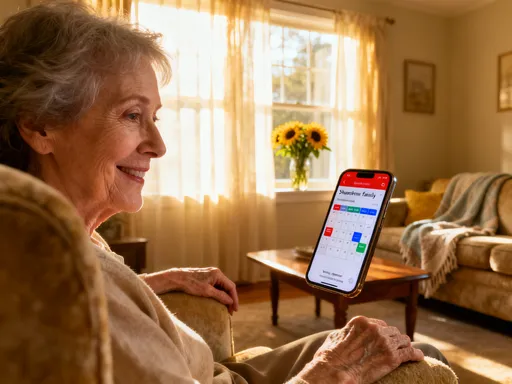
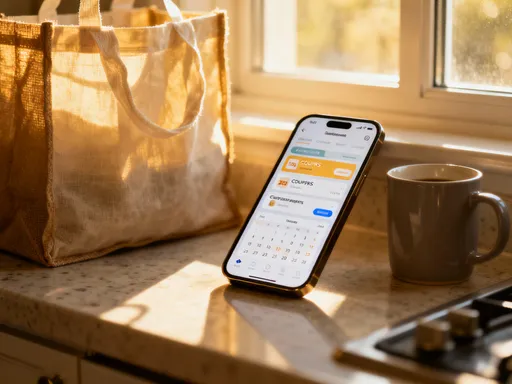
Here’s how they usually work: your parent opens the app—maybe on a tablet they already use for recipes or videos—and taps an emoji that matches their mood. Happy, calm, tired, sad, anxious. Some apps let them add a short note: “Saw the grandkids on FaceTime,” or “Rain kept me inside today.” That’s it. No forms, no essays, no pressure. Over time, patterns start to emerge. You might notice that Tuesdays are usually calm, but Thursdays tend to be quieter. Or that after a visit from the neighbor, their mood lifts. It’s not about catching every dip—it’s about understanding the rhythm.
And here’s the important part: the data isn’t public. It’s not shared with advertisers or third parties. Most apps let your parent decide exactly who sees what. They can choose to share their mood history with one child, both children, or just their doctor. Some apps even require a shared code or approval before anyone can view the data. This isn’t about control. It’s about trust. The goal isn’t to monitor—it’s to support. You’re not checking up on them like a boss. You’re staying connected like family.
One thing I’ve learned is that these apps work best when they’re not treated like a test. They’re not a report card on how well your parent is “doing” emotionally. Bad days happen. Everyone has them. The value isn’t in perfection—it’s in awareness. When you see a trend, it’s not a reason to panic. It’s a reason to reach out. “Hey, I noticed the last few days have been a little low—want to talk?” That’s not surveillance. That’s care.
Why Seniors Actually Use Them (And Stick With Them)
If you’re thinking, “My mom would never use an app like that,” you’re not alone. I thought the same thing. But here’s what surprised me: when introduced the right way, many older adults don’t just try mood tracking—they actually like it. Why? Because for the first time, they feel heard without having to explain everything.
My mom was skeptical at first. “I don’t need another gadget,” she said. But my sister showed her how it worked—just one tap, every morning with her tea. She picked a smiley face if she felt good, a neutral one if it was just an average day. After a week, she saw her own pattern. “I didn’t realize I feel better after church,” she told me. That small insight made her feel more in control. It wasn’t about fixing anything—it was about noticing.
Design matters a lot here. The best apps for seniors keep it simple. Big buttons. Clear icons. Voice input so they don’t have to type. Some even read the mood entry back to them: “You said you’re feeling calm today. That’s great.” No confusing menus. No updates that break the layout. And most importantly—no pressure. It’s okay to skip a day. It’s okay to feel sad. The app doesn’t judge. It just listens.
What really helps is making it part of a routine. One friend links it to her dad’s morning crossword—he logs his mood after finishing the puzzle. Another family uses it as a “good morning” text: “How are you feeling today, Dad?” He taps his answer, and they both feel a little more connected. It’s not about technology for technology’s sake. It’s about using tech to support a habit of emotional check-ins—one that feels light, kind, and normal.
And let’s not underestimate the emotional payoff. For someone who lives alone, just knowing that someone cares enough to notice their mood can be powerful. It’s not about dependence. It’s about connection. One user told me, “It makes me feel like I’m not just going through my days unseen.” That’s not a small thing. That’s everything.
The Mistakes Families Make (And How to Avoid Them)
Even with the best intentions, it’s easy to get this wrong. I’ve seen it happen—well-meaning daughters and sons who turn the app into a source of stress instead of support. The most common mistake? Treating the mood log like a performance review. “Mom, you’ve been ‘sad’ three days in a row—is something wrong?” That kind of reaction can make someone feel watched, judged, or like they have to perform happiness.
I’ll never forget the story of my friend Lisa. She started using a mood app with her mom, and everything was fine—until she saw three “sad” entries in a row. She called, worried. “Are you okay? Are you depressed? Should I come over?” Her mom laughed—genuinely laughed—and said, “Lisa, the squirrels got into my tomato plants again. I’m not heartbroken—I’m annoyed!” That moment was a wake-up call. The app showed a dip, but it didn’t explain why. Context matters.
Another pitfall is checking too often. Some people look at the app five times a day, waiting for an update. That’s not care—that’s anxiety. It puts pressure on the parent to “report in” and can make them feel like they’re under a microscope. The goal isn’t constant monitoring. It’s gentle awareness. Checking once a day, at a natural time—like after dinner or during your own evening routine—is usually enough.
And here’s a big one: skipping the conversation. The app isn’t a replacement for talking. It’s a bridge to better conversations. If you see a trend, don’t just text, “Why are you sad?” Instead, try, “I noticed the last few days have been a little tough—want to chat about it?” Or even better, “Can I call you later? I’d love to hear your voice.” The data isn’t the end point. It’s the starting point for connection.
The key is to use the app as a tool for empathy, not control. Ask questions. Listen. Respect their pace. And remember—bad moods don’t always mean problems. Sometimes they mean rain, a bad night’s sleep, or a frustrating phone call with the cable company. The app shows the “what.” You bring the “why.”
Making It a Family Habit, Not a Chore
For mood tracking to last, it has to feel natural—not like another task on a never-ending to-do list. The families who stick with it are the ones who’ve woven it into their daily rhythm. It’s not a chore. It’s a ritual.
Take my cousin Maria. She and her mom have a morning routine: coffee, news, and a quick mood check. Her mom taps her feeling, Maria sends a sticker back—a sun, a heart, a flower. No words needed. But that tiny exchange? It starts the day with warmth. “It’s like a little hug,” Maria says. “Even when we’re miles apart.”
Other families use it as a conversation starter. One mom logs “tired,” and her daughter texts, “Long day? Want me to read you the grandkids’ school news tonight?” Another dad marks “happy,” and his son replies, “That’s the best news of my day.” These aren’t deep discussions—they’re micro-moments of connection. But over time, they build something powerful: a sense of being seen, valued, and part of each other’s lives.
What also helps is celebrating the small wins. “Five calm days in a row!” one family posted on their shared family group. Another printed out a weekly chart and put it on the fridge—like a family achievement board. It’s not about perfection. It’s about progress. And when your parent sees that their emotional well-being matters to the family, they’re more likely to keep showing up.
The real shift happens when care stops feeling one-sided. It’s not just about you watching over them. It’s about mutual care. Your mom sees your name pop up when you check in. You see her mood lift after a good day. It becomes a quiet dialogue—a way of saying, “I’m here. I care. I notice.” And that changes everything.
When Technology Meets Touch: Balancing App Data with Human Connection
The app shows a dip. Your mom’s been “anxious” for two days. What now? This is where tech meets heart. The data gives you a nudge. But your response—that’s where the care lives.
You could call and say, “Why are you anxious?” But that puts her on the spot. Instead, try, “I saw today was a little heavy—want to talk, or would you rather I just sent a funny video?” Or leave a voice note: “Hey Mom, thinking of you. No need to reply—just wanted you to hear my voice.” These small acts say, “I see you, and I’m here,” without demanding anything in return.
One friend of mine uses the app to plan visits. When she notices a few low days, she doesn’t rush over—she asks, “Can I come this weekend? I’ll bring soup and we can watch that old movie you love.” The app didn’t tell her to visit. It helped her choose the right moment.
And sometimes, the best response isn’t a call at all. One daughter saw her dad’s mood improve after he started volunteering at the library. Instead of commenting, she sent a simple text: “So glad you’re feeling brighter. That library must be lucky to have you.” He later told her that message meant more than any check-in call. It made him feel proud, not pitied.
This is the magic of combining data with humanity. The app doesn’t replace touch. It guides it. It helps you show up—not because you’re worried, but because you care. And that leads to deeper, more meaningful conversations. Not “How are you?” “Fine.” But “I’ve been thinking about you. Want to tell me what’s on your mind?” That’s the difference.
A New Kind of Peace: The Quiet Confidence These Apps Bring
In the end, it’s not about the app. It’s about what the app makes possible. It’s about a new kind of peace—one that doesn’t come from constant checking, but from knowing. Knowing that your parent is more than a one-word answer on the phone. Knowing that their emotional world is seen, even from afar. Knowing that you’re not waiting for a crisis to show up—you’re already there, in small, steady ways.
This isn’t about replacing the human touch. It’s about extending it. It’s about using a simple tool to carry love across the miles, to turn worry into wisdom, and to build a rhythm of care that’s sustainable for everyone. For the parent, it’s feeling heard without effort. For the child, it’s breathing a little easier, knowing they’re not blind to what matters most.
I’ll never forget the first time my mom logged “joyful” and added, “Made my famous apple pie—wish you were here to eat it.” I cried. Not because she was sad, but because I felt so close to her, even though we were hours apart. That’s the gift of these apps—not just data, but connection. Not just tracking, but love in motion.
So if you’re wondering whether something like this could work for your family, I’d say this: start small. Show your parent the app. Let them decide. Make it part of a routine. And most of all, keep the heart in it. Because technology, at its best, doesn’t replace us. It helps us be more human. And when it comes to caring for the people who raised us, that’s the only thing that really matters.