Brewing Wealth: A Systematic Path to Smarter Tea Investing
Tea isn’t just a drink—it’s a hidden asset class gaining traction among mindful investors. I’ve spent years exploring how aged pu-erh, rare oolongs, and vintage teas can offer tangible value beyond the teacup. This journey isn’t about quick wins, but building a disciplined strategy focused on long-term appreciation, authenticity verification, and market timing. If you're curious how something as simple as tea can become part of a diversified portfolio, let’s walk through a systematic approach that balances passion with practicality. It’s not speculation; it’s stewardship—of quality, knowledge, and time. And for those seeking quiet, sustainable growth, tea may be one of the most overlooked opportunities of our era.
Why Tea? Uncovering the Investment Potential Behind the Leaves
Tea has long been cherished for its aroma, flavor, and cultural significance, but in recent decades, it has also emerged as a compelling alternative investment. Unlike traditional assets such as stocks or bonds, tea does not generate income through dividends or interest, but its value increases through aging, scarcity, and cultural demand. This unique combination positions certain high-grade teas not merely as beverages, but as tangible assets with measurable appreciation over time. Among these, raw pu-erh from Yunnan, high-mountain oolong from Taiwan, and vintage white teas from Fujian have demonstrated consistent growth in value, often outpacing inflation and delivering steady long-term returns.
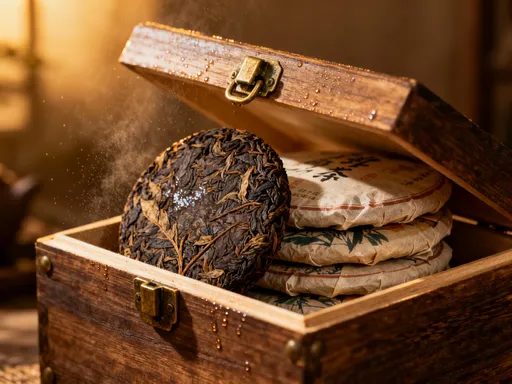
The investment appeal of tea lies in its ability to mature like fine wine. Raw (sheng) pu-erh, for example, undergoes a slow post-fermentation process that enhances its complexity and smoothness over decades. When stored properly, its market value can increase significantly—sometimes tenfold or more over 20 to 30 years. Unlike perishable goods, well-preserved tea cakes can last generations, making them durable stores of value. Historical auction records from Hong Kong and mainland China show rare vintages from the 1980s and 1990s commanding prices exceeding several thousand dollars per cake, with some fetching over $10,000 in private sales. These are not isolated incidents, but part of a growing and well-documented trend.
What drives this appreciation? Several factors converge to support long-term value. First is provenance—teas from specific mountains, villages, or esteemed producers carry higher prestige and scarcity. A tea harvested from ancient arbor trees in Bulang Mountain, for example, is inherently limited in supply and highly sought after by connoisseurs. Second, production methods matter. Traditional, small-batch processing using natural fermentation enhances aging potential and collector appeal. Third, rising demand in Asian markets, particularly among the middle and upper classes in China, has created a sustained appetite for premium teas. As disposable incomes grow, so does the desire for heritage goods that reflect taste, status, and cultural continuity.
Moreover, the global shift toward wellness and mindful consumption has elevated tea beyond mere refreshment. Consumers now seek transparency, origin stories, and artisanal quality—all of which enhance perceived and actual value. This cultural momentum supports long-term price stability and appreciation. For the investor, this means that selecting the right tea is not about chasing trends, but identifying products with genuine rarity, traceable origins, and intrinsic quality. It’s a strategy rooted in patience rather than speculation, where knowledge and diligence are more valuable than timing or luck.
The Core Pillars: Building a Systematic Tea Investment Framework
A disciplined approach to tea investing rests on three foundational pillars: selection, verification, and timing. These are not abstract concepts, but practical guidelines that transform an emotional purchase into a strategic decision. Without structure, even the finest tea can become a costly indulgence rather than a growing asset. By focusing on these pillars, investors can minimize risk, maximize value, and build confidence in their long-term holdings.
Selection is the first and most critical step. It goes beyond personal taste to include objective criteria such as origin, producer reputation, harvest year, and processing method. For example, a raw pu-erh from Menghai Tea Factory produced in the early 2000s is more likely to appreciate than a generic modern blend from an unknown source. Similarly, high-mountain oolongs from Li Shan or Alishan in Taiwan have established track records of quality and longevity. The key is to focus on teas with a history of appreciation and demand. This requires research, consultation with experts, and attention to production details. Seasonality also matters—spring harvests typically yield the most complex and robust leaves, making them more desirable for long-term holding.
Verification ensures that what you buy is authentic and matches its claimed pedigree. The tea market, especially for rare and aged varieties, is not immune to counterfeiting. Fake packaging, repurposed labels, and blended batches can mislead even experienced buyers. To mitigate this risk, investors should source from reputable vendors with transparent supply chains. Trusted tea houses, certified auctions, and direct relationships with producers or estates offer greater assurance. Batch numbers, factory codes, and production dates should be documented and preserved. In some cases, sensory evaluation by skilled tasters can help confirm authenticity—a genuine 20-year-old raw pu-erh will have a distinct aroma, liquor color, and mouthfeel that is difficult to replicate artificially.
Timing governs when to buy, when to hold, and when to sell. Tea appreciation is not linear—it follows an aging curve that peaks at different points depending on type, storage, and market demand. For raw pu-erh, the sweet spot often falls between 15 and 30 years, when the tea has developed depth without losing vitality. Buying too early means waiting longer for value growth; buying too late risks paying a premium at or near peak value. Market timing also involves recognizing cycles of hype and correction. For instance, during the pu-erh boom of the mid-2000s, prices surged rapidly, only to correct sharply in subsequent years. Investors who bought at the peak faced years of stagnation. A disciplined approach means buying during periods of relative stability, avoiding emotional decisions driven by FOMO (fear of missing out), and focusing on intrinsic quality over short-term price movements.
From Cup to Capital: How Tea Appreciates Differently Than Traditional Assets
Tea appreciates on its own terms—not through quarterly earnings or economic indicators, but through transformation. This is its defining characteristic as an alternative asset. While stocks fluctuate based on market sentiment and real estate depends on location and infrastructure, tea grows in value through chemical and sensory evolution. In post-fermented teas like raw pu-erh, microbial activity continues over time, breaking down tannins and developing smoother, richer flavors. These changes are not just perceptible to the palate; they are reflected in market prices. A tea that was once sharp and astringent can, after two decades, become mellow, complex, and highly desirable.
This aging process creates a unique appreciation curve. Unlike stocks, which can soar or crash in months, tea gains value gradually and predictably. There are no overnight millionaires in tea investing, but neither are there sudden collapses. Over a 20-year horizon, a high-quality tea cake can increase in value by 5% to 10% annually, compounding silently and steadily. This slow-burn model appeals to those who value stability and long-term growth over volatility. Moreover, tea is uncorrelated with traditional financial markets. During economic downturns, when equities may lose value, rare teas have often held or even increased in price, serving as a diversification tool within a broader portfolio.
However, appreciation is contingent on proper storage—a factor as critical as the tea itself. Temperature, humidity, airflow, and light exposure all influence how tea ages. Ideal conditions vary by region and tradition. In Hong Kong, for instance, teas are often stored in warmer, more humid environments, leading to faster aging and deeper flavors. In mainland China, drier storage is preferred, resulting in slower transformation and more restrained profiles. Both methods are valid, but consistency is key. Fluctuations in humidity can encourage mold; excessive heat can degrade flavor compounds. Investors should either store tea in climate-controlled environments or use professional storage services that specialize in tea preservation. Documentation of storage history adds credibility and value when it comes time to sell.
Another distinction lies in tangibility. Tea is a physical asset that you can see, smell, and taste. This sensory connection fosters a deeper relationship with the investment. You can witness its evolution firsthand, creating a personal stake in its journey. Unlike a number on a brokerage statement, a tea cake carries history, craftsmanship, and cultural weight. This emotional resonance enhances the holding experience, making it more than a financial transaction—it becomes an act of preservation.
Risk Realities: Navigating Authenticity, Storage, and Market Volatility
No investment is without risk, and tea is no exception. While its long-term potential is compelling, the path is not without pitfalls. The three primary risks—counterfeiting, poor storage, and market illiquidity—require careful management. Awareness and preparation are essential to protect capital and ensure that value is preserved over time.
Counterfeiting remains one of the most significant threats. The high value of rare teas has attracted unscrupulous actors who replicate packaging, reuse old wrappers, or blend lower-grade leaves with premium ones. A tea labeled as a 1990s vintage may, in reality, contain modern leaves with artificially aged appearance. To guard against fraud, investors must cultivate relationships with trusted suppliers and verify claims through documentation and sensory evaluation. Auction records, certificates of authenticity, and producer letters can add layers of assurance. For high-value purchases, third-party verification from recognized tea experts or appraisal services is advisable. While no system is foolproof, diligence drastically reduces the risk of acquiring counterfeit goods.
Poor storage is equally damaging. Even the finest tea will degrade if exposed to moisture, strong odors, or temperature swings. Improper storage can lead to mold, off-flavors, or complete loss of value. Many beginners make the mistake of storing tea in kitchen cabinets near spices or coffee, unaware that tea is highly absorbent and will take on surrounding aromas. Similarly, basements and attics, while convenient, often suffer from humidity fluctuations that compromise quality. The solution is to store tea in a dedicated, climate-controlled space—ideally between 20°C and 25°C, with 60% to 70% humidity, and good airflow. Using breathable materials like cotton or paper for wrapping, rather than plastic, allows tea to age naturally. For serious investors, professional storage facilities in Hong Kong, Taiwan, or mainland China offer secure, monitored environments with decades of collective expertise.
Market illiquidity is another challenge. Unlike stocks, which can be sold instantly, selling rare tea often requires time, effort, and the right buyer. There is no centralized exchange, and pricing is largely determined by private negotiations, auctions, or specialized dealers. This means that converting tea into cash may take weeks or months, especially for high-value items. Prices can also vary widely depending on the buyer’s knowledge, taste, and intent. To improve liquidity, investors should maintain detailed records of provenance, storage history, and condition. High-quality photographs and tasting notes can enhance appeal and justify price points. Building a network within the tea community also increases access to potential buyers and provides early warnings of market shifts.
Practical Moves: Starting Small and Scaling with Confidence
Tea investing does not require large capital to begin. In fact, starting small is often the wisest approach. A beginner can start with a single, well-sourced tea cake—such as a raw pu-erh from a reputable producer in 2020 or 2021—and observe its evolution over time. This low-cost entry allows for hands-on learning about aging, storage, and market dynamics without significant financial exposure. The goal is not immediate profit, but education and experience.
Setting a clear budget is essential. Many newcomers are tempted to overcommit during periods of high market interest. A disciplined strategy involves allocating a fixed portion of investable assets—say 3% to 5%—to tea, treating it like any other alternative asset. This prevents emotional spending and ensures that losses, if any, remain manageable. Entry-level collectible teas should balance quality and affordability. Examples include limited-run productions from established tea factories, estate-grown oolongs, or special harvest batches. These may not command top prices today, but they offer strong potential for appreciation if stored correctly and backed by solid provenance.
Documentation is a crucial habit to develop early. Keep a record of purchase date, price, source, storage location, and any sensory notes. Over time, this creates a personal archive that adds value and credibility. As the investor gains confidence, reinvesting profits into additional holdings allows for portfolio expansion. Diversification within the tea category is also wise—balancing raw pu-erh with ripe (shou) pu-erh, high-mountain oolong, and vintage white teas spreads risk and captures different appreciation cycles. The focus should remain on quality, not quantity. A few exceptional teas are more valuable than a large collection of mediocre ones.
The Market Pulse: Understanding Demand Cycles and Regional Trends
Tea values are shaped by regional tastes, cultural events, and economic conditions. Mainland China remains the largest and most influential market for aged teas, particularly pu-erh. Festivals, gifting seasons, and corporate demand often drive short-term price increases. For example, the Lunar New Year and Mid-Autumn Festival see heightened activity as premium teas are exchanged as gifts. Investors who anticipate these cycles can position themselves to sell or hold accordingly. Similarly, economic growth in second- and third-tier Chinese cities has expanded the base of tea collectors, creating sustained upward pressure on prices for high-grade products.
Taiwan has a mature tea culture with strong demand for high-mountain oolongs and aged teas. Collectors there value refinement, subtlety, and provenance, often paying premiums for limited editions or estate-specific productions. Southeast Asia, particularly Malaysia and Singapore, also has a growing collector base, with interest in both pu-erh and traditional Chinese teas. These markets tend to favor Hong Kong-style storage, which influences pricing and demand for certain aging profiles.
Auction data and private sale records provide valuable insights into market direction. While public auctions represent only a fraction of transactions, they serve as pricing benchmarks. Observing which vintages, producers, and regions command premium bids helps identify emerging trends. For instance, renewed interest in 1980s Menghai teas or 1990s Fengqing Factory productions can signal a shift in collector preferences. Social media groups, tea forums, and collector networks also offer real-time intelligence on supply, demand, and pricing. Staying informed allows investors to avoid overpaying during hype cycles and to act decisively when undervalued opportunities arise.
Beyond Profit: When Passion Meets Patience in Long-Term Holding
Tea investing is ultimately a blend of patience, knowledge, and emotional connection. The most successful holders are not those who trade frequently, but those who nurture their collections over time. As years pass, a tea cake becomes more than an asset—it becomes a story, a reflection of care and continuity. The investor who tastes the same tea annually witnesses its transformation firsthand, developing a deep appreciation for the subtleties of aging and terroir.
There is also a quiet satisfaction in preserving cultural heritage. Many of the teas worth collecting are made using traditional methods passed down through generations. By investing in them, one supports artisanal craftsmanship and sustainable agriculture. This adds a layer of meaning beyond financial return—it becomes a form of cultural stewardship. Moreover, the act of sharing aged tea with family or friends creates moments of connection and reflection, enriching life in ways that money cannot measure.
Tea investing is not a shortcut to wealth. It does not promise get-rich-quick returns or explosive growth. But for those willing to wait, learn, and care, it offers something rare in modern finance: steady, tangible appreciation rooted in quality and time. It is a reminder that value can grow quietly, without noise or fanfare. In a world of volatility and uncertainty, tea stands as a testament to the power of patience. And for the mindful investor, that may be the greatest return of all.